Introduction
The advancement of technology has revolutionized various industries, and one sector that has greatly benefited from these innovations is travel and tourism. With the integration of augmented reality (AR), exploration and discovery possibilities have reached new heights. Augmented reality is transforming the way travelers interact with their surroundings, enhancing their experiences and providing a new dimension to explore. In this article, we will delve into the world of augmented reality and its significant impact on travel and tourism.
What is Augmented Reality?
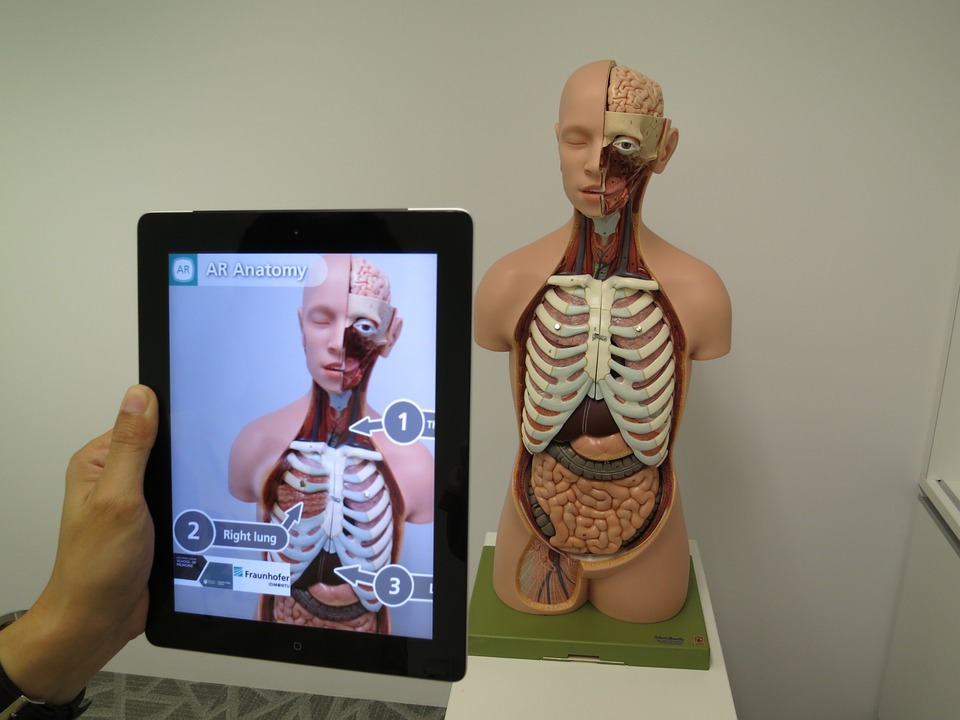
Augmented reality is a technology that overlays digital information onto the real world, blending the physical and virtual realms seamlessly. By using AR, users can view and interact with computer-generated content, such as images, videos, and information, superimposed onto their real-time view of the environment through a device like a smartphone or tablet. It enhances the perception of reality by adding digital elements, enriching the user’s experience and knowledge.
Augmented Reality in Travel and Tourism
Augmented reality has revolutionized the travel and tourism industry in various ways. It offers tourists a unique and interactive experience by bringing locations and landmarks to life. Instead of relying solely on brochures or tour guides, travelers can now explore destinations using AR applications, which provide them with real-time information, historical facts, and even virtual guided tours.
With AR, travelers can discover hidden gems or navigate through unfamiliar cities effortlessly. Using location-based services, AR apps can guide tourists through unfamiliar streets, highlight points of interest, and present informative overlays. Travelers can instantly access detailed information about historical sites, museums, restaurants, hotels, and transportation, enhancing their understanding and enjoyment of their surroundings.
Additionally, AR can be used to revive ancient or extinct landmarks digitally. By overlaying historical images or reconstructions onto ruins or empty spaces, travelers can visualize how these sites appeared in their glory days. This immersive experience not only educates tourists but also preserves cultural heritage.
Augmented reality also enhances the accommodation selection process. Travelers can view virtual room tours, amenities, and even visualize how their preferred hotel fits into the cityscape before making a reservation. This empowers tourists to make fully informed choices based on their preferences and needs.
Another significant aspect is the potential for AR to break language barriers. Through its translation capabilities, AR apps can instantly convert signs, menus, and written information into the user’s preferred language, allowing for smoother communication and increasing traveler confidence.
The uses of augmented reality within the travel and tourism industry are continuously expanding as technology advances. It offers immense potential for creating immersive experiences, personalized recommendations, and streamlined services, making it an excellent tool for both travelers and industry professionals.
Benefits of Augmented Reality for Travelers
Augmented reality undoubtedly provides numerous benefits for travelers. Some of the key advantages include:
- Real-time access to information and historical facts about landmarks and destinations
- Interactive virtual tours and 360-degree views of places of interest
- Improved navigation and wayfinding through unfamiliar locations
- Immersion in the past through the overlay of historical reconstructions
- Virtual room tours and visualizations of accommodations
- Translation capabilities for overcoming language barriers
Frequently Asked Questions
1. How does augmented reality work in travel and tourism?
Augmented reality works by superimposing digital content onto the real-world view captured by a device’s camera. In the context of travel and tourism, AR apps utilize GPS and sensor data to provide location-based information, historical overlays, virtual tours, and more.
2. Can augmented reality enhance the travel experience?
Absolutely! Augmented reality enhances the travel experience by providing real-time information, interactive tours, navigation assistance, language translation, and more. It creates an immersive and enriched journey for travelers, improving their understanding and enjoyment of the destination.
3. Are there any downsides or limitations to using augmented reality in travel?
While augmented reality offers numerous benefits, there are some limitations to consider. Dependence on technology and potential technical glitches may disrupt the experience. Additionally, some users may find that excessive use of AR distracts from the authentic travel experience. It is important to strike a balance between utilizing technology and taking in the surroundings organically.
4. Which devices are needed to experience augmented reality in travel?
Augmented reality experiences in travel can be accessed through smartphones or tablets equipped with AR applications. These devices should have a camera, GPS, and motion sensors to provide accurate and immersive augmented experiences.
5. Can augmented reality replace traditional travel guides?
While augmented reality provides a wealth of information and interactive features, it cannot fully replace traditional travel guides. Having a physical guidebook or a knowledgeable tour guide offers a more comprehensive understanding of the history, culture, and local insights that AR may not provide.
Conclusion
Augmented reality has undoubtedly opened up a new dimension in travel and tourism. Its ability to blend the digital with the physical world provides travelers with immersive and enriched experiences. From real-time information to historical overlays and virtual tours, augmented reality enhances the way tourists explore, learn, and navigate through their destinations. As technology continues to advance, augmented reality will likely play an increasingly important role in shaping the future of travel and tourism.
[ad_2]
