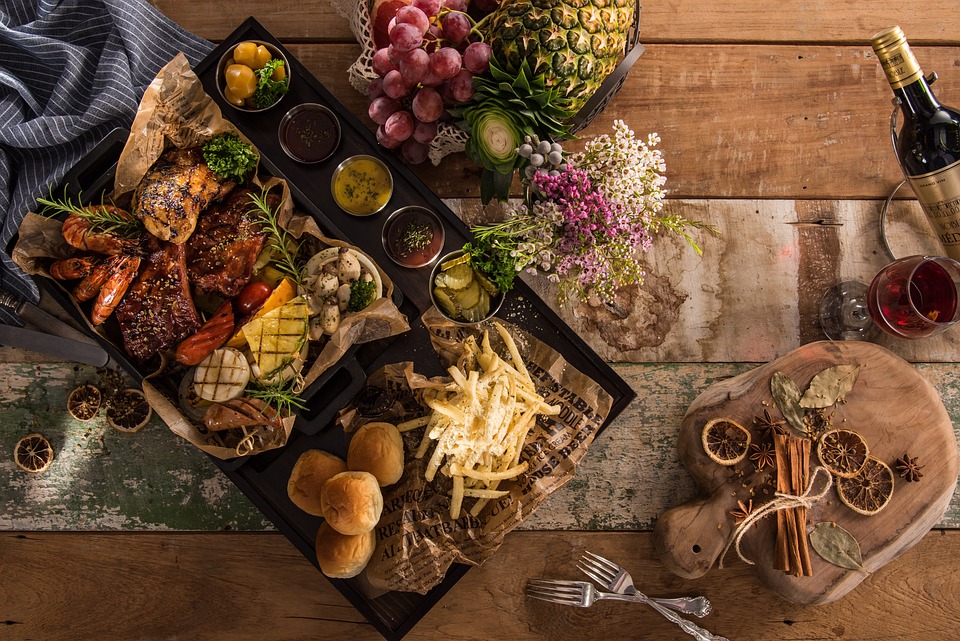
A Feast for the Senses: Exploring Cultural Foods and Traditions During Travel
Introduction
Traveling is an exciting and enriching way to explore different cultures and traditions around the world. One aspect of a culture that is deeply rooted in its identity is its traditional foods. From vibrant street markets to fine dining experiences, indulging in local cuisine offers a feast for the senses. In this article, we will delve into the delightful world of cultural foods and the traditions surrounding them, and how they add an extraordinary dimension to our travel experiences.
Delicious Delights Around the World
Every country possesses its unique culinary traditions and flavors. From the spicy curries in India to the delicate sushi in Japan, from the hearty pasta dishes in Italy to the mouthwatering barbecues in the United States, there is a treasure trove of culinary delights waiting to be discovered.
One of the best ways to explore cultural foods is by visiting local markets and street food stalls. Walking through the bustling alleys of a market, filled with the aromas of exotic spices and fresh produce, is an experience that should not be missed. Trying out local delicacies, such as empanadas in Mexico or falafel in the Middle East, allows travelers to fully immerse themselves in the local culinary scene.
Additionally, dining at traditional restaurants provides an opportunity to savor authentic dishes and understand the importance of food in the local culture. From family-run tavernas serving traditional Greek mezes to elegant Michelin-starred restaurants showcasing the artistry of French cuisine, each dining experience gives travelers insight into a country’s history, traditions, and values.
The Role of Food in Culture
Food plays a significant role in shaping the identity of a culture. Traditional recipes are often passed down through generations, preserving flavors and techniques that have stood the test of time. Local ingredients and cooking methods tell stories of a region’s geography, climate, and historical influences.
Furthermore, the act of gathering around a table to share a meal is a universal symbol of togetherness and community. In many cultures, traditional meals are accompanied by rituals and customs, creating a sense of belonging and unity. Whether it’s a Japanese tea ceremony or an Italian Sunday family lunch, these traditions remind us of the importance of connection and create lasting memories.
Frequently Asked Questions
Q: How can I navigate language barriers when trying new foods?
A: Language barriers can often pose a challenge when exploring food in a foreign country. However, there are various ways to overcome this hurdle. One option is to learn a few essential food-related phrases in the local language. Another approach is to observe what locals around you are eating and point to the dishes you want to try. Additionally, many establishments catering to tourists offer bilingual menus or have staff members who can assist with translations.
Q: Are there any cultural customs I should be aware of when dining abroad?
A: It’s always a good idea to familiarize yourself with some basic dining customs of the country you are visiting. For example, in some cultures, it may be considered rude to begin eating before a host or to leave food on your plate. In other places, using your hands to eat certain dishes may be encouraged. By being respectful and mindful of cultural norms, you can enhance your dining experience and show appreciation for the local traditions.
Q: Are there any dietary restrictions or allergies I need to consider while exploring cultural foods?
A: Yes, it is essential to be mindful of any dietary restrictions or allergies you may have while trying new foods. Some dishes may contain ingredients that you are unable to consume, such as nuts, gluten, or certain spices. Always inform the waiter or vendor of your dietary needs and ask if they can accommodate them. Additionally, researching the local cuisine beforehand and learning about common ingredients can help you make informed choices.
Conclusion
Exploring cultural foods and traditions during travel allows us to connect with the soul of a place and its people. Opening ourselves up to new flavors and culinary experiences not only pleases our taste buds but also expands our understanding of different cultures. So the next time you embark on a journey, make sure to immerse yourself in the world of cultural foods and let your senses guide you to unforgettable experiences.
[ad_2]
