Exploring the cultural impact of casinos around the world
The Historical Roots of Casinos
The history of casinos is deeply intertwined with the evolution of social and cultural practices around gaming and gambling. Ancient civilizations, such as the Chinese and Romans, developed forms of gambling that laid the groundwork for modern-day casinos. These early games were not only about entertainment; they were often linked to rituals and social gatherings, illustrating how gambling has long been a part of communal life. Today, many people seek out a real casino online to experience the thrill of this longstanding tradition.

As societies evolved, so did the concept of gambling establishments. The first official casino, the Casino di Venezia, opened in Italy in the 17th century, marking the transition from informal gaming to organized gambling venues. This development changed the way people engaged with games of chance, transforming them into a formalized entertainment industry that attracted a diverse clientele.
The Economic Influence of Casinos
Casinos have a significant economic impact on local and national economies. They create jobs, generate tax revenues, and boost tourism by attracting visitors from across the globe. In regions where casinos are prevalent, such as Las Vegas and Macau, the economic benefits are visible in various sectors, including hospitality, retail, and transportation.
However, the economic influence of casinos is a double-edged sword. While they contribute to economic growth, there are concerns about gambling addiction and its effects on communities. The money spent on gambling can lead to social issues, including financial instability for individuals and families, which raises questions about the balance between economic benefits and societal wellbeing.
Cultural Perspectives on Gambling
Different cultures have unique perspectives on gambling, significantly influencing how casinos are viewed and operated. In some cultures, gambling is seen as a legitimate form of entertainment and is often integrated into social events. For instance, in certain Asian cultures, gambling is associated with luck and prosperity, making it a valued practice during celebrations.
Conversely, other societies may view gambling as morally ambiguous or harmful. In many countries, strict regulations govern gambling activities, reflecting cultural attitudes toward risk-taking and chance. This dichotomy shapes the casino landscape worldwide, creating varied environments that cater to different cultural norms and expectations.
The Social Experience of Casino Gaming
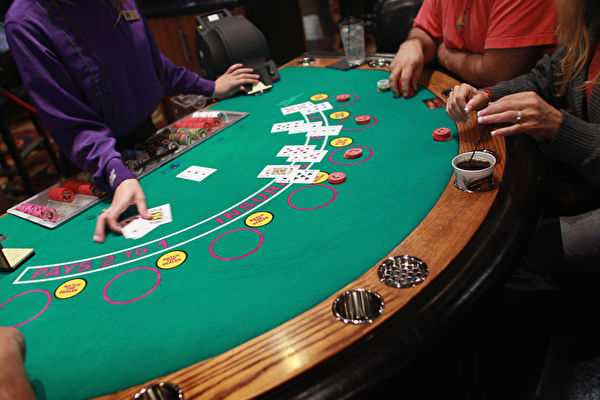
Casinos serve as social hubs where people from various backgrounds come together. The atmosphere is often vibrant and lively, fostering connections among patrons. Social interactions can range from friendly conversations at poker tables to shared experiences during entertainment shows and events held within casinos.
This social aspect extends beyond the gaming floor, as casinos frequently offer dining, shopping, and entertainment options, transforming them into multifaceted destinations. By providing a space for leisure and socialization, casinos contribute to community life, often becoming integral parts of their locales.
Connecting Gamers and Casino Enthusiasts
Online platforms dedicated to gaming and casinos create a community for enthusiasts to gather and share their experiences. These websites offer resources, discussions, and information about various gaming options, catering to both casual players and serious gamblers. Such platforms help bridge the gap between physical casinos and the digital realm, expanding the reach of gaming culture.
Moreover, these online communities often engage in dialogue about trends in gaming, responsible gambling practices, and innovative casino experiences. By fostering a sense of belonging among members, these websites play a crucial role in shaping the future of the gaming industry, helping to maintain a balance between entertainment and responsibility in the gambling landscape.
