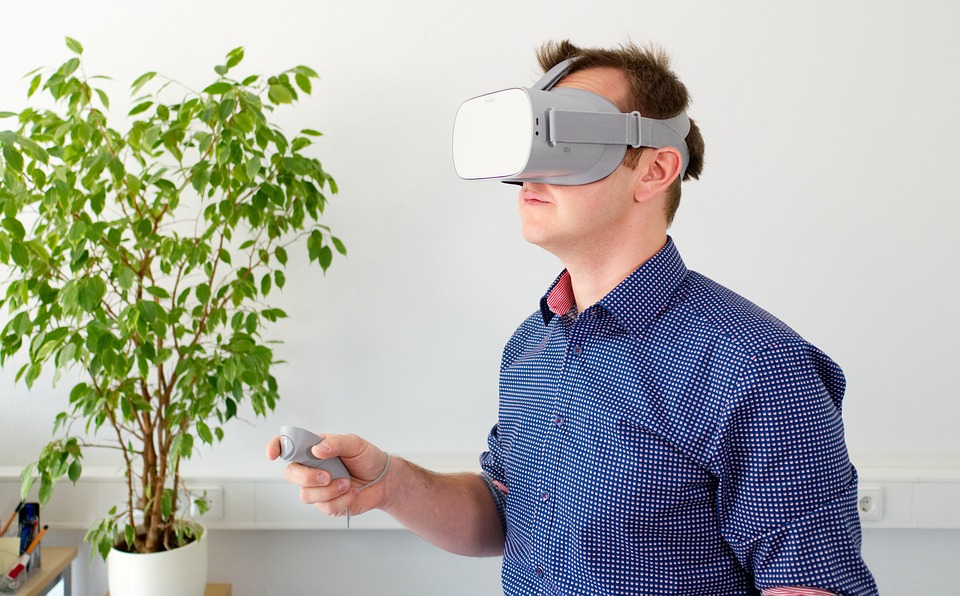
Augmented Reality in Manufacturing: Enhancing Productivity and Efficiency
Introduction
Manufacturing processes have come a long way in recent years, with technological advancements revolutionizing the way products are designed, produced, and assembled. One such innovation making significant waves in the industry is augmented reality (AR). Augmented reality blends the virtual world with the real world, overlaying digital information onto physical objects or environments. In this article, we will explore how augmented reality is enhancing productivity and efficiency in manufacturing.
Benefits of Augmented Reality in Manufacturing
1. Improved Training and Onboarding: Augmented reality enables manufacturers to provide immersive training experiences to their employees. By overlaying virtual information and step-by-step instructions onto physical equipment, operators can quickly learn and understand complex processes. This reduces the learning curve and minimizes errors during the initial phases of training.
2. Enhanced Maintenance and Repairs: Traditional maintenance and repair processes can be time-consuming and inefficient. AR technology allows technicians to access real-time information, such as schematics and repair procedures, while working on machinery. This improves diagnosis accuracy, reduces downtime, and increases the overall efficiency of maintenance operations.
3. Streamlined Assembly Processes: Augmented reality can optimize assembly line operations by providing workers with real-time guidance and visual indicators. AR overlays can highlight the exact location and orientation of components, reducing the risk of errors and ensuring that products are assembled correctly. This results in improved quality control and enhanced overall productivity.
4. Design and Prototyping: AR enables engineers and designers to visualize and test product designs in a virtual environment. By overlaying digital models onto physical spaces, they can evaluate the design’s feasibility, make necessary modifications, and identify potential issues early in the development process. This speeds up prototyping and reduces costs associated with physical prototypes.
Case Studies: Real-World Applications
1. Airbus: Airbus, a leading aircraft manufacturer, utilizes augmented reality to streamline its aircraft assembly processes. AR glasses guide workers through the complex wiring and assembly tasks, reducing errors and saving time. As a result, Airbus has experienced significant improvements in productivity and efficiency.
2. General Electric: General Electric implemented augmented reality in its wind turbine production to enhance the training and maintenance processes. Technicians wearing AR headsets can access real-time data, such as equipment manuals and troubleshooting guides, improving their efficiency and reducing downtime.
3. Volkswagen: Volkswagen introduced augmented reality in its manufacturing facilities to optimize quality control procedures. AR-enabled inspection stations provide workers with real-time information about the required assembly steps and identify any defects or deviations in the process. This has resulted in a higher level of product quality and increased productivity.
FAQs
Q: How does augmented reality enhance training in manufacturing?
A: Augmented reality provides immersive training experiences by overlaying virtual information onto physical equipment. This allows trainees to learn complex processes more efficiently, reducing the learning curve and minimizing errors.
Q: Can augmented reality improve maintenance and repair processes?
A: Yes, AR technology allows technicians to access real-time information, such as schematics and repair procedures, while working on machinery. This improves diagnosis accuracy, reduces downtime, and increases overall efficiency.
Q: How does augmented reality streamline assembly processes?
A: Augmented reality provides real-time guidance and visual indicators to workers, highlighting the location and orientation of components. This reduces the risk of errors and ensures that products are assembled correctly, improving quality control and overall productivity.
Q: Can augmented reality be used in product design and prototyping?
A: Absolutely, AR enables engineers and designers to visualize and test product designs in a virtual environment. This allows for faster prototyping, cost reduction, and early identification of potential issues.
Conclusion
Augmented reality is rapidly transforming the manufacturing industry. By leveraging this technology, manufacturers can enhance training, maintenance, assembly processes, and design workflows. The real-world applications of augmented reality in companies like Airbus, General Electric, and Volkswagen demonstrate the substantial improvements in productivity, efficiency, and product quality that can be achieved. It is clear that augmented reality is a game-changer for the manufacturing sector, and companies willing to embrace this technological advancement will undoubtedly stay ahead of the competition.
[ad_2]
